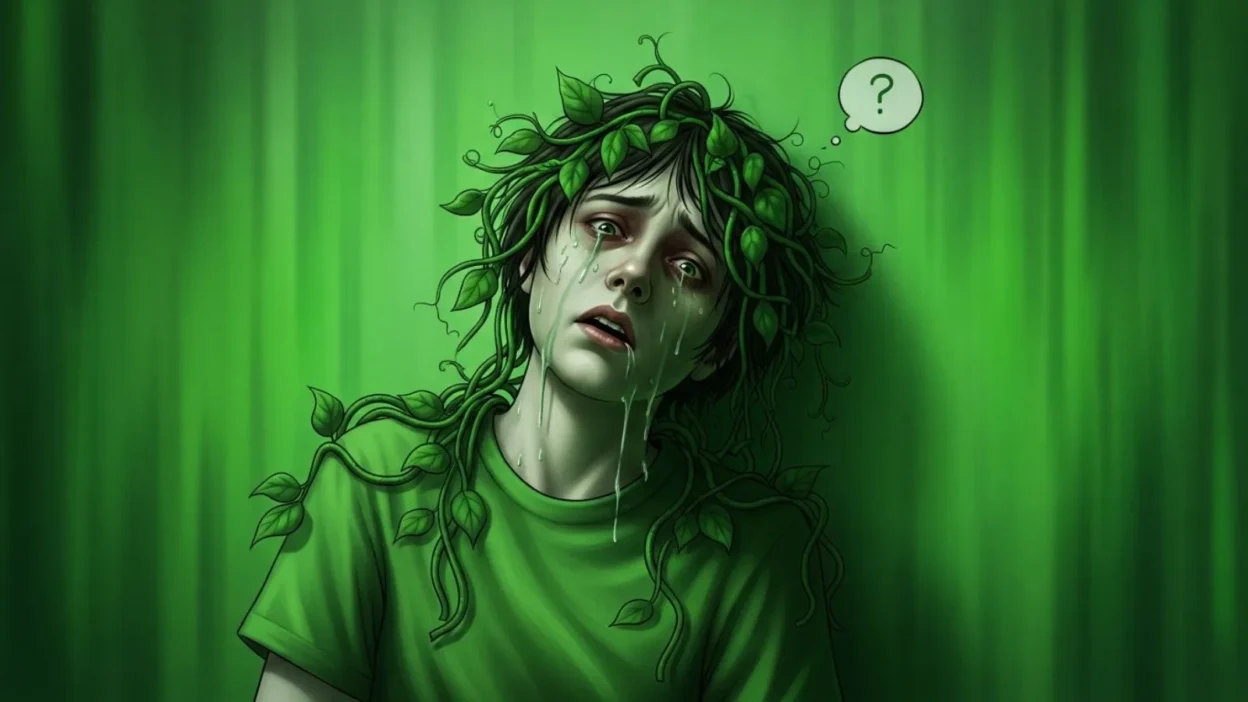
“Greening out” is a slang term used to describe an unpleasant physical and mental reaction that can happen when someone consumes too much cannabis, especially products high in THC. It is not a medical diagnosis, but it is commonly used in online communities, social media discussions, and among younger audiences to explain a sudden wave of discomfort after overconsumption. People experiencing it may feel dizzy, nauseous, anxious, sweaty, or overwhelmed, and in some cases may even need to lie down or rest until the feeling passes. The term “green” is often linked to looking pale or feeling sick, which reflects the physical appearance some people notice during the experience. While it can feel intense in the moment, greening out is typically temporary and resolves on its own with time and rest. Understanding this term is important for awareness, especially as cannabis products become more widely discussed in modern culture and digital spaces.
What Does Greening Out Mean? (Full Definition)
Greening out is a slang term used to describe a negative physical and mental reaction that happens when someone consumes too much cannabis, especially products that contain high levels of THC. In simple words, it refers to the moment when the effects of cannabis become overwhelming instead of enjoyable. It is not a medical condition or official diagnosis, but it is widely used in everyday language, especially in online discussions, forums, and youth culture.
The term “greening out” comes from the way a person may look or feel during the experience. Some people appear pale, sweaty, or sick, which is associated with the word “green.” This reaction is the body’s way of responding to an excess amount of THC, the main psychoactive compound in cannabis that affects mood, perception, and the nervous system.
Unlike the positive “high” people expect, greening out usually involves discomfort such as dizziness, nausea, confusion, and anxiety. It can happen suddenly and may feel intense, especially for beginners or those with low tolerance. However, it is important to understand that this state is temporary and usually passes as the effects of THC wear off.
Scientific Explanation: What Happens in the Body?
When someone experiences greening out, it is mainly due to how THC (tetrahydrocannabinol) interacts with the brain and nervous system. THC is the primary psychoactive compound in cannabis, and it binds to specific receptors in the brain called CB1 receptors, which are part of the endocannabinoid system. This system helps regulate mood, memory, coordination, and perception.
When a small amount of THC is consumed, it can create feelings of relaxation, euphoria, or altered perception. However, when too much THC enters the system at once, it overstimulates these receptors. This overstimulation disrupts normal brain signaling, which can lead to confusion, dizziness, and a feeling of being mentally “overloaded.”
THC also affects the autonomic nervous system, which controls involuntary body functions like heart rate and blood pressure. In some cases, it can cause a drop in blood pressure, leading to lightheadedness or fainting sensations. The body may also respond with sweating, nausea, or a general feeling of physical discomfort as part of its stress response.
Emotionally, the brain may interpret these intense physical sensations as anxiety or panic, which can make the experience feel even more overwhelming. This combination of physical and mental effects is what people describe as greening out.
It is important to note that this reaction varies widely from person to person. Factors such as body chemistry, tolerance level, and mental state all influence how strongly THC affects someone. While the experience can feel intense, it is typically short-lived as THC levels gradually decrease in the body.
Main Causes of Greening Out
Greening out usually happens when the body is exposed to more THC than it can comfortably handle. One of the most common causes is consuming a high dose of cannabis, especially products that are more potent than expected. With modern cannabis strains and concentrates often containing high THC levels, it becomes easier for users to unintentionally take in too much at once.
Another major factor is low tolerance. People who are new to cannabis or who do not use it frequently are more likely to experience greening out because their bodies are not adapted to THC’s effects. Even a small amount for an experienced user can feel overwhelming for a beginner.
Physical condition also plays an important role. Using cannabis on an empty stomach can intensify its effects because THC is absorbed more quickly into the bloodstream. Dehydration and fatigue may also make the body more sensitive, increasing the chances of discomfort.
Mental state is another key factor. If a person is already feeling stressed, anxious, or emotionally unstable, THC can amplify those feelings, leading to panic or uneasiness. The environment also matters; being in an unfamiliar or uncomfortable setting can contribute to a negative experience.
In some cases, mixing cannabis with other substances (such as alcohol or certain medications) can increase the intensity of effects and raise the risk of greening out. However, reactions vary widely from person to person, and not everyone will experience the same outcome even under similar conditions.
Symptoms of Greening Out (Physical + Mental)
Greening out produces a mix of physical and mental symptoms that can feel intense and uncomfortable, especially because they often appear suddenly. These effects are the body’s response to too much THC in the system and can vary in strength from person to person.
Physical Symptoms:
One of the most common physical signs is nausea, which can sometimes lead to vomiting. Many people also experience dizziness or lightheadedness, making it difficult to stand or move comfortably. Sweating is another frequent symptom, often paired with chills or feeling unusually cold. Some individuals may feel weak, heavy, or fatigued, as if their body has lost energy. A rapid heartbeat or general physical unease can also occur in certain cases.
Mental Symptoms:
On the mental side, anxiety is one of the most noticeable effects. This can range from mild uneasiness to a strong feeling of panic. Confusion and difficulty focusing are also common, making it hard to think clearly or respond normally. Some people describe feeling disconnected from their surroundings or as if things are “not real,” which can be very unsettling. Overwhelm is another key symptom, where even simple thoughts or sounds feel too intense.
These symptoms often work together, meaning physical discomfort can increase anxiety, and anxiety can make physical symptoms feel worse. This cycle is what makes greening out feel so overwhelming in the moment.
Emotional Experience: What It Feels Like
The emotional experience of greening out can feel very intense because it often combines physical discomfort with sudden changes in perception and mood. Many people describe it as a rapid shift from feeling relaxed or normal to feeling completely overwhelmed within a short period of time. This change can be confusing, especially when the body and mind react more strongly than expected.
One of the most common emotional responses is anxiety. This can start as a mild sense of unease and quickly grow into panic or fear. The person may feel like something is wrong, even though there is no real danger. This reaction is often amplified by physical symptoms like dizziness, nausea, or a racing heart, which the brain may misinterpret as a threat.
Some individuals also experience a sense of detachment from their surroundings. This can feel like being disconnected from reality or watching things from a distance, which can be unsettling. Thoughts may become scattered or hard to control, making it difficult to focus or communicate clearly.
Another emotional aspect is the feeling of losing control. Since the effects happen internally, people may feel helpless as the sensations pass through their body. This can create fear or embarrassment, especially if it happens in social settings.
Despite how strong these emotions feel in the moment, they are temporary and directly linked to THC’s effects on the brain. As the substance wears off, emotional balance gradually returns, and the intense feelings begin to fade.
How Long Does Greening Out Last?
The duration of greening out varies from person to person, but it is generally a temporary experience that lasts a few hours at most. In most cases, the most intense symptoms appear within the first 30 minutes to 2 hours after consuming too much THC. This is when the body and brain are at peak exposure, and effects such as nausea, dizziness, anxiety, and confusion are usually strongest.
As time passes, the intensity gradually begins to decrease. The body slowly metabolizes and clears THC from the system, allowing symptoms to fade. For many people, noticeable improvement starts within 2 to 4 hours. However, in some cases—especially when higher doses are involved—the lingering effects like fatigue, mild dizziness, or emotional uneasiness may last longer, sometimes up to 6–8 hours.
Several factors can influence how long greening out lasts. These include the amount of THC consumed, individual tolerance levels, body weight, metabolism, and whether the person has eaten food or is hydrated. People with lower tolerance or those new to cannabis often experience longer and more intense episodes compared to regular users.
Mentally, the recovery may feel gradual. Even after physical symptoms improve, some individuals might still feel emotionally sensitive or slightly anxious for a short period. This is normal and usually resolves completely with rest.
Greening Out vs Being High: Key Differences
Greening out and being high are often confused, but they are very different experiences in terms of both physical and mental effects. Being high is generally the intended effect of cannabis use, where a person may feel relaxed, happy, more social, or creatively stimulated. In this state, perception may be slightly altered, but the overall experience is usually positive and manageable.
Greening out, on the other hand, happens when too much THC overwhelms the body and brain. Instead of feeling enjoyable effects, the person experiences discomfort such as nausea, dizziness, anxiety, and confusion. Rather than relaxation or euphoria, the dominant feeling becomes distress or unease.
One key difference lies in control and clarity. When someone is high, they are usually still aware of their surroundings and can function normally, even if slightly impaired. During greening out, however, clarity is often reduced, and the person may feel disoriented or mentally overloaded.
Emotionally, being high is typically associated with positive or neutral moods, while greening out can trigger fear, panic, or a sense of losing control. Physically, being high may involve mild changes like dry mouth or increased appetite, whereas greening out can involve more intense symptoms like sweating, nausea, or weakness.
The main reason for this difference is dosage and individual tolerance. A moderate amount of THC may produce enjoyable effects, but excessive amounts push the body beyond its comfortable limit.
What to Do If Someone Is Greening Out
If someone is greening out, the most important thing is to stay calm and help them feel safe. Although the experience can feel intense, it is temporary and will pass with time as the body processes the THC. Panicking or overreacting can make the situation feel worse for the person experiencing it.
First, move the person to a quiet, comfortable, and safe place. Reducing noise, bright lights, and crowding can help lower sensory overload and ease anxiety. Sitting or lying down in a stable position can also help reduce dizziness and prevent falls.
Next, reassurance is very important. Calmly remind the person that what they are feeling is temporary and will pass. Speaking in a steady, soothing tone can help reduce panic and emotional distress.
Hydration can also help. Offering small sips of water may ease dry mouth and support general comfort. However, it should be done slowly and gently, without forcing anything.
Encouraging slow, deep breathing can help manage anxiety and stabilize heart rate. Simple breathing techniques—like inhaling slowly through the nose and exhaling gently—can make a noticeable difference in calming the nervous system.
It is also helpful to avoid giving too much stimulation, such as loud talking or unnecessary movement around the person. Letting them rest quietly is often the best approach.
In rare cases where symptoms become extremely severe or do not improve over time, seeking medical attention may be necessary. However, in most situations, greening out resolves naturally with rest, patience, and time.
How to Reduce the Risk (Safety Awareness)
Reducing the risk of greening out mainly comes down to awareness, moderation, and understanding how the body reacts to THC. Since everyone has a different tolerance level, what feels mild for one person may feel overwhelming for another. This is why knowing personal limits is one of the most important safety factors.
One key approach is being mindful of dosage. Consuming too much THC at once increases the chances of uncomfortable effects. Starting with a low amount and being aware of potency can help reduce the likelihood of overstimulation.
Your physical condition also matters. Being well-rested, hydrated, and having eaten beforehand can support a more stable body response. When the body is already stressed, tired, or dehydrated, it may become more sensitive to THC’s effects.
Mental state plays a big role as well. If someone is already feeling anxious, stressed, or emotionally unsettled, cannabis can intensify those feelings. Choosing a calm and comfortable environment can help reduce unnecessary mental pressure.
It is also important to avoid rushing the experience. Taking time between exposures allows the body to understand its response better and prevents accidental overconsumption.
Most importantly, listening to your body is essential. Early signs like mild dizziness or discomfort should be taken as signals to stop and rest rather than continue.
In general, greening out is preventable in many cases when people practice awareness and moderation. Understanding how THC affects you personally is the strongest tool for reducing risk and ensuring a safer, more controlled experience overall.
Who Is More Likely to Experience It?
Greening out does not happen to everyone in the same way, but certain groups of people are more likely to experience it due to differences in tolerance, body chemistry, and experience level. Understanding these risk factors helps explain why some individuals react more strongly to THC than others.
One of the most common groups is beginners or first-time users. Since their bodies are not used to THC, even a small amount can feel intense and overwhelming. Without prior experience, it is also harder for them to recognize early warning signs of overconsumption.
People with low tolerance are also at higher risk. This includes those who use cannabis infrequently or take long breaks between uses. When THC is not regularly present in the system, the body reacts more strongly to its effects.
Another group includes individuals who are sensitive to anxiety or stress. THC can amplify existing emotions, so people who are naturally prone to nervousness or panic may be more likely to feel overwhelmed during consumption.
Those who consume high-potency products are also at increased risk. Modern cannabis products can contain significantly higher THC levels than in the past, making it easier to accidentally take in too much.
Environmental and situational factors also matter. Being in an unfamiliar place, feeling uncomfortable, or being in a stressful social situation can increase the likelihood of a negative experience.
In summary, greening out is more likely when low tolerance, high THC exposure, emotional sensitivity, and uncomfortable conditions come together, making awareness an important part of prevention.
Myths and Misconceptions About Greening Out
There are several common myths about greening out that often create confusion or unnecessary fear. Understanding the facts helps separate reality from exaggeration and makes the topic easier to approach with clarity.
One major myth is that greening out is extremely dangerous or life-threatening. In reality, while the experience can feel very uncomfortable, it is typically temporary and not medically fatal. The body gradually processes THC, and symptoms fade over time without permanent harm in most cases.
Another misconception is that only inexperienced or “weak” people green out. This is not true. Anyone can experience it if the amount of THC exceeds their personal tolerance level. Even regular users can occasionally feel overwhelmed if they consume more than usual or use a stronger product.
Some people also believe that greening out causes long-term mental damage. However, the effects are short-term and linked to the temporary presence of THC in the body. Once it leaves the system, normal mental functioning returns.
There is also a myth that greening out is the same as being poisoned. While the symptoms may look similar to discomfort or illness, it is actually the body reacting to overstimulation of the endocannabinoid system, not poisoning in a toxic sense.
Lastly, some assume it always happens suddenly without warning. In many cases, there are early signs like dizziness or uneasiness that indicate the body is becoming overwhelmed.
Psychological Impact and After Feelings
After experiencing greening out, the psychological effects do not always end immediately when the physical symptoms fade. Many people go through a short recovery period where their mind processes what just happened. This stage is often mild but can still feel emotionally noticeable, especially if the experience was intense.
One common after-feeling is temporary nervousness or sensitivity. A person may feel slightly anxious or cautious for a while, as the memory of the discomfort remains fresh. This does not mean anything is wrong; it is simply the brain reacting to a strong and unusual experience.
Some individuals may also become more aware of their limits afterward. This can lead to a reflective mindset, where they think about what caused the experience and how to avoid it in the future. In many cases, this awareness becomes a learning moment about personal tolerance and boundaries.
There can also be a brief sense of emotional exhaustion. Since greening out can involve anxiety and physical stress, the body and mind may feel tired even after recovery. This usually improves with rest, hydration, and time.
In some cases, people may feel hesitant or cautious about repeating the experience again. This is a normal response and often fades as the memory becomes less intense over time.
Prevention Tips (General Awareness)
Preventing greening out is mostly about understanding your own limits, staying aware of your body’s signals, and making informed decisions. Since the experience is caused by too much THC overwhelming the system, avoiding excess is the most effective way to reduce risk.
One important step is self-awareness. Knowing how your body typically reacts to cannabis helps you recognize early signs of discomfort before they become intense. Everyone’s tolerance is different, so comparing your experience to others is not reliable.
Another key factor is pacing. Taking things slowly and not rushing allows the body time to adjust. Sudden or large increases in THC exposure are more likely to trigger unwanted effects.
Your mental state also plays a role. Being in a calm and stable mindset can reduce the chances of anxiety becoming amplified. If someone is already stressed or emotionally overwhelmed, their experience may feel stronger and less comfortable.
The environment is equally important. A safe, familiar, and relaxed setting can make a significant difference in how the body responds. Uncomfortable or chaotic surroundings can increase the feeling of unease.
It is also helpful to stay hydrated and well-rested, as physical well-being supports a more balanced reaction. When the body is tired or dehydrated, it can become more sensitive to stressors.
Finally, paying attention to early warning signs like dizziness, uneasiness, or confusion can help prevent escalation. Stopping early when discomfort begins is often enough to avoid a full greening out experience.
FAQs Section
What does greening out mean in simple words?
Greening out means feeling sick, dizzy, anxious, or overwhelmed after consuming too much cannabis. It is a slang term used to describe an uncomfortable reaction caused by high THC levels in the body.
Is greening out dangerous?
In most cases, greening out is not life-threatening. It can feel intense and unpleasant, but the effects are temporary and usually go away on their own as the body processes THC. However, the experience can be very uncomfortable.
How long does it take to recover?
Recovery time varies, but most people start feeling better within a few hours. In general, the strongest effects fade in 2–4 hours, while mild after-effects like tiredness may last a bit longer.
Can greening out happen without warning?
Sometimes there are early signs such as dizziness, nausea, or anxiety before it becomes more intense. However, in some cases, the effects can feel sudden, especially with high THC products or low tolerance.
Is greening out the same for everyone?
No, it is different for each person. Factors like tolerance, body chemistry, mental state, and environment all influence how strongly someone reacts. Some people may experience mild symptoms, while others may feel more intense effects.
Can it happen to experienced users?
Yes, even experienced users can green out if they consume more THC than their body can handle or use a stronger product than usual. Tolerance does not make someone completely immune.
Conclusion:
Greening out is a common slang term used to describe an uncomfortable reaction that can occur when someone consumes too much cannabis, especially high-THC products.
While the experience can feel intense and alarming in the moment, it is important to understand that it is temporary and not usually dangerous.
The symptoms—such as nausea, dizziness, anxiety, and confusion—are the body’s way of responding to overstimulation and typically fade as THC leaves the system.
Understanding greening out helps promote awareness, especially as cannabis becomes more widely discussed in modern culture.
Factors like dosage, tolerance, mental state, and environment all play a major role in whether someone experiences it. By recognizing early warning signs and practicing moderation, the risk can often be reduced.
Overall, the key takeaway is awareness and balance. Knowing how the body reacts, respecting personal limits, and staying informed can help prevent overwhelming experiences.
With time and understanding, people can better navigate cannabis related effects in a safer and more controlled way.

A passionate puzzle lover bringing you the best riddles and brain teasers on RiddleSpark.com. Get ready to challenge your mind and have fun!